
- Microcement is a versatile finishing material that offers a wide range of textures, each suited to different design and functional needs.
- Smooth and polished finishes create clean, hygienic surfaces ideal for clinics, kitchens, and modern interiors.
- Fine sand textures provide a soft, natural feel that works well in residential and wellness spaces.
- Natural and industrial textures highlight handcrafted character and bold concrete aesthetics for feature walls and creative spaces.
- Coarse textures add durability and grip, making them suitable for commercial and outdoor areas.
- Anti-slip finishes prioritize safety in wet or high-traffic spaces without sacrificing modern design.
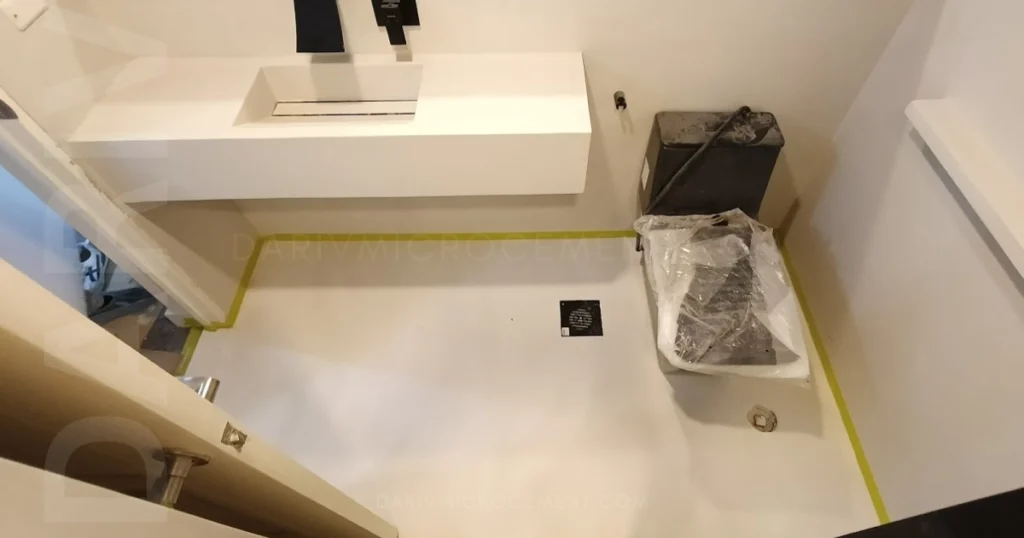
Do you want to know what microcement textures are best for your project?
Microcement has become one of the most sought-after finishing materials in modern architecture and interior design in the Philippines. Known for its seamless appearance, durability, and versatility, microcement offers more than just one “look.” What truly sets it apart is the range of textures that can be achieved through application technique, aggregate size, and finishing process.
Understanding these textures is essential for homeowners, designers, architects, and business owners who want to balance aesthetics, function, and long-term performance. From sleek wellness clinics to bold commercial spaces, the texture you choose plays a critical role in how a surface looks, feels, and performs.
This article explores the six most common microcement textures, explaining their characteristics, best applications, and design value.
TL;DR:
Microcement Texture: What determines the surface?
Microcement textures are influenced by several factors:
Grain size of the microcement material
Trowel technique used by the applicator
Number of layers applied
Sanding and polishing level
Type of sealer or topcoat
Because microcement is hand-applied, no two surfaces are exactly alike—this is part of its appeal. Texture allows designers to control whether a space feels refined, organic, industrial, or highly functional.
Examples of microcement textures
1. Smooth / Polished Microcement
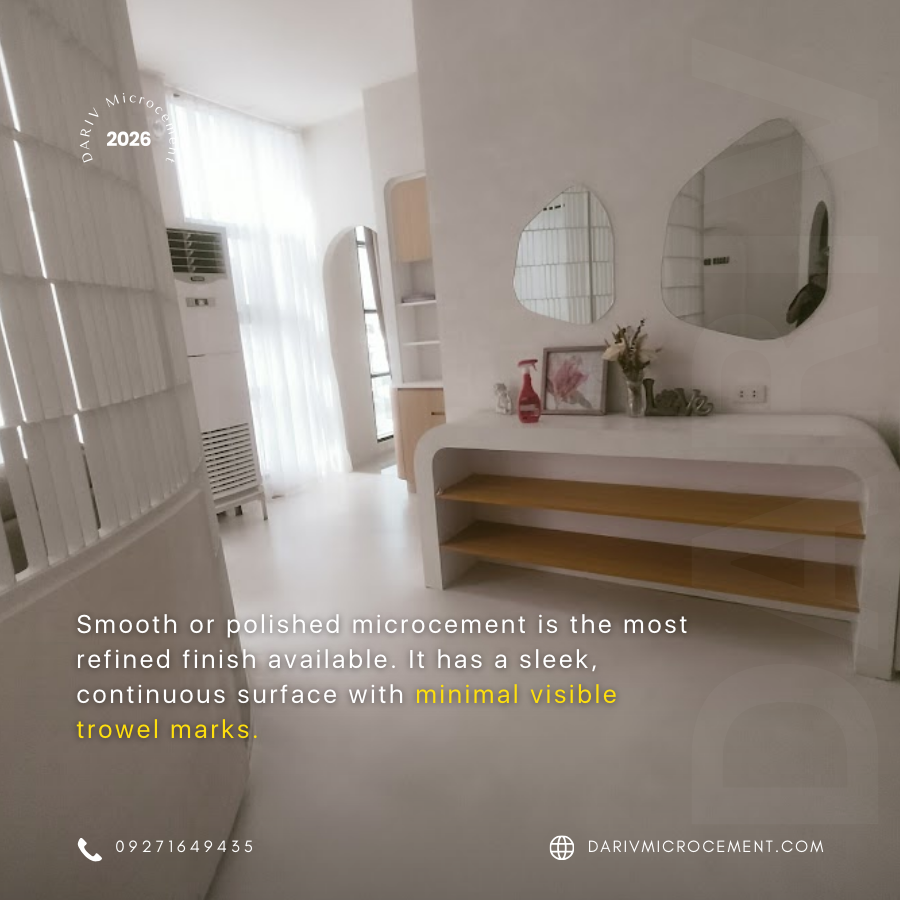
Smooth or polished microcement is the most refined finish available. Unlike other microcement textures, it has a sleek, continuous surface with minimal visible trowel marks. When lightly polished, it reflects light softly, enhancing brightness and creating a clean, modern feel.
This texture is especially popular in health and wellness clinics, hospitals, kitchens, and modern residences, where hygiene and visual calm are priorities. Its non-porous surface makes cleaning and sanitation easy, while its seamless look eliminates grout lines where dirt and bacteria can accumulate.
Design-wise, smooth microcement works beautifully with minimalist interiors, neutral color palettes, and contemporary furniture. It conveys professionalism, cleanliness, and order—qualities highly valued in medical and corporate environments.
Best for: Clinics, bathrooms, kitchens, offices, modern homes
Key benefit: Clean, elegant, and easy to maintain
2. Fine Sand (Silky Matte) Texture
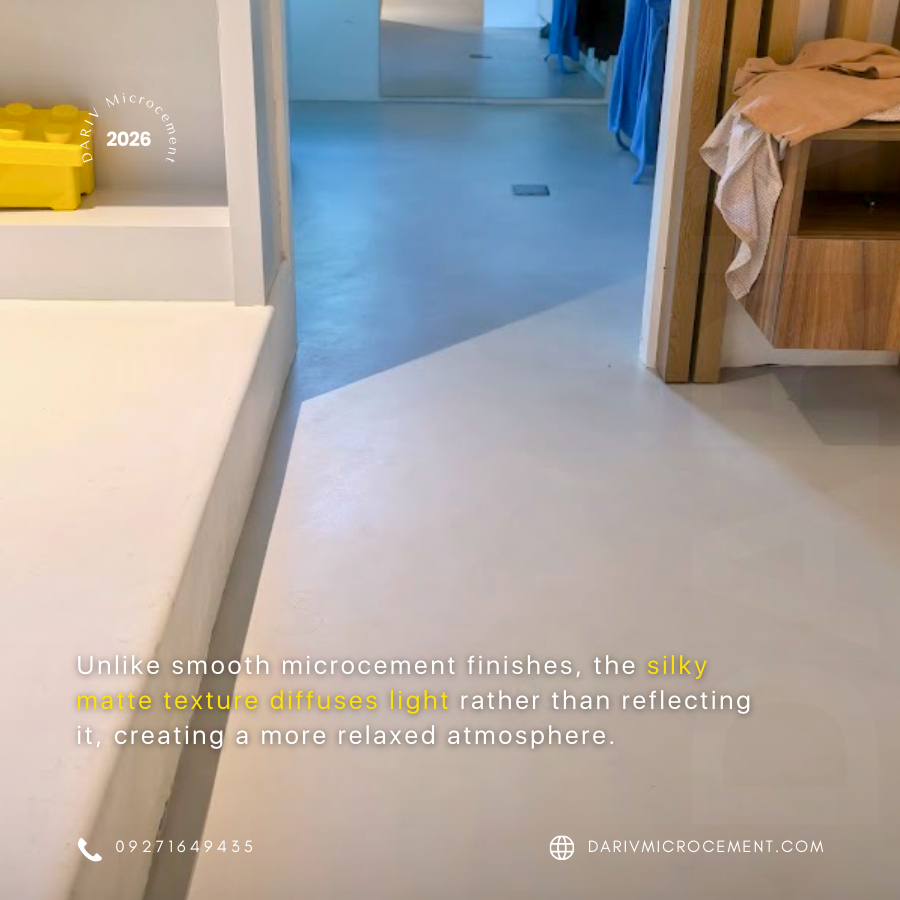
The fine sand texture introduces subtle movement without sacrificing smoothness. It has a soft, matte finish with a barely perceptible grain that gives the surface warmth and depth. Unlike polished microcement textures, it diffuses light rather than reflecting it, creating a more relaxed atmosphere.
This texture is ideal for residential interiors, wellness spaces, bedrooms, and living areas, where comfort and natural aesthetics are important. It also provides slightly better grip underfoot, making it practical for dry floors that still require safety.
Visually, fine sand microcement pairs well with wood, linen, and organic materials. It feels less “industrial” and more natural, making it a favorite in modern Filipino homes and coastal-inspired designs.
Best for: Living rooms, bedrooms, wellness studios
Key benefit: Soft, natural feel with understated elegance
3. Natural / Clouded (Trowel Effect)
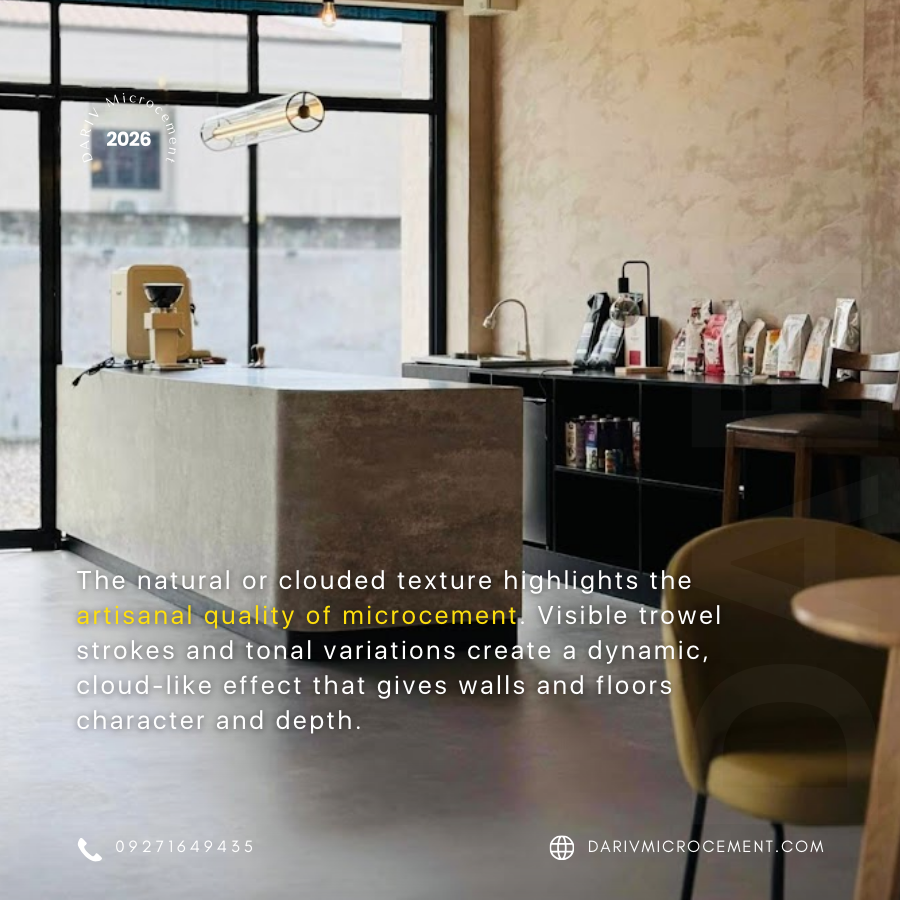
The natural or clouded texture highlights the artisanal quality of microcement. Visible trowel strokes and tonal variations create a dynamic, cloud-like effect that gives walls and floors character and depth.
This texture is intentionally imperfect. Rather than hiding movement, it celebrates craftsmanship. Each surface becomes unique, making it ideal for feature walls, statement floors, and creative interiors.
Natural microcement works particularly well in loft-style spaces, modern Filipino interiors, cafés, and boutique hotels. It creates warmth and visual interest while still maintaining the seamless advantages of microcement.
Best for: Feature walls, lofts, cafés, modern interiors
Key benefit: Organic, handcrafted appearance
4. Coarse / Stone Texture
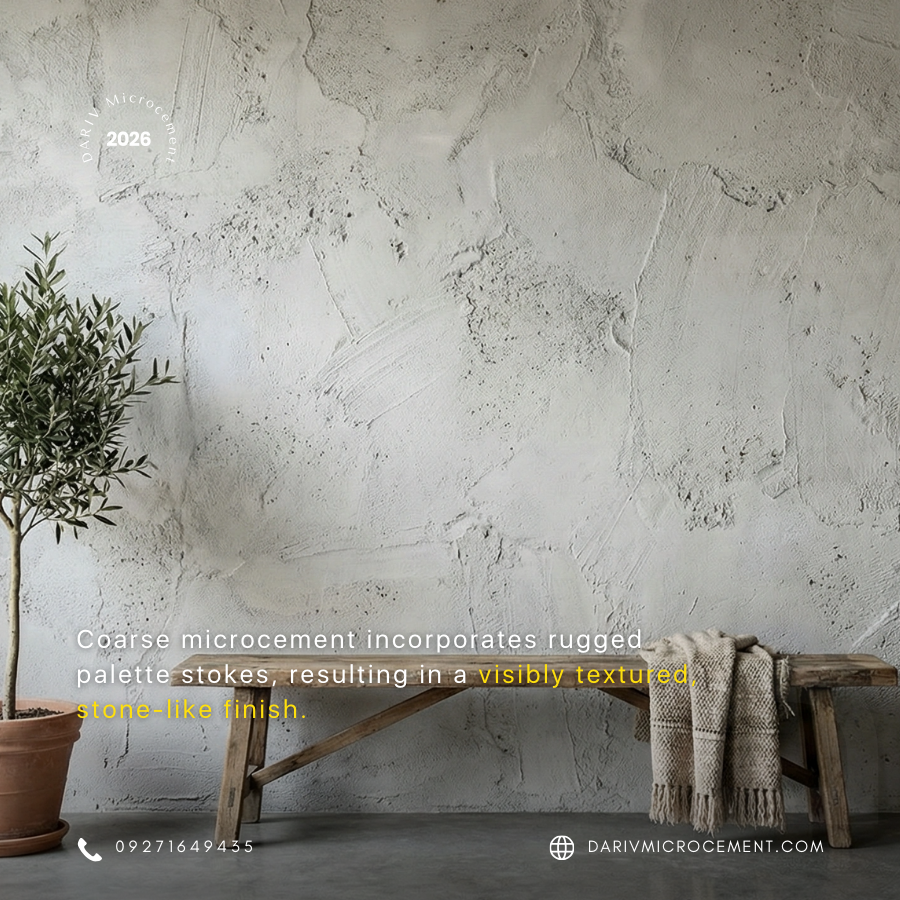
Coarse microcement textures incorporate unfinished strokes, resulting in a visibly textured, stone-like , rugged appearance. It has more grip and tactile presence than smoother finishes, making it both visually bold and functionally practical.
This texture can be used in commercial areas, accent walls, outdoor spaces, and high-traffic zones. When properly sealed, it can withstand wear while offering better slip resistance than finer finishes.
Designers choose this texture to add contrast and ruggedness, especially in spaces that aim to feel grounded and durable. It works well with industrial, rustic, or nature-inspired concepts.
Best for: Accent walls, outdoor areas, commercial spaces
Key benefit: Strong texture with added durability and grip
5. Industrial / Raw Concrete Look
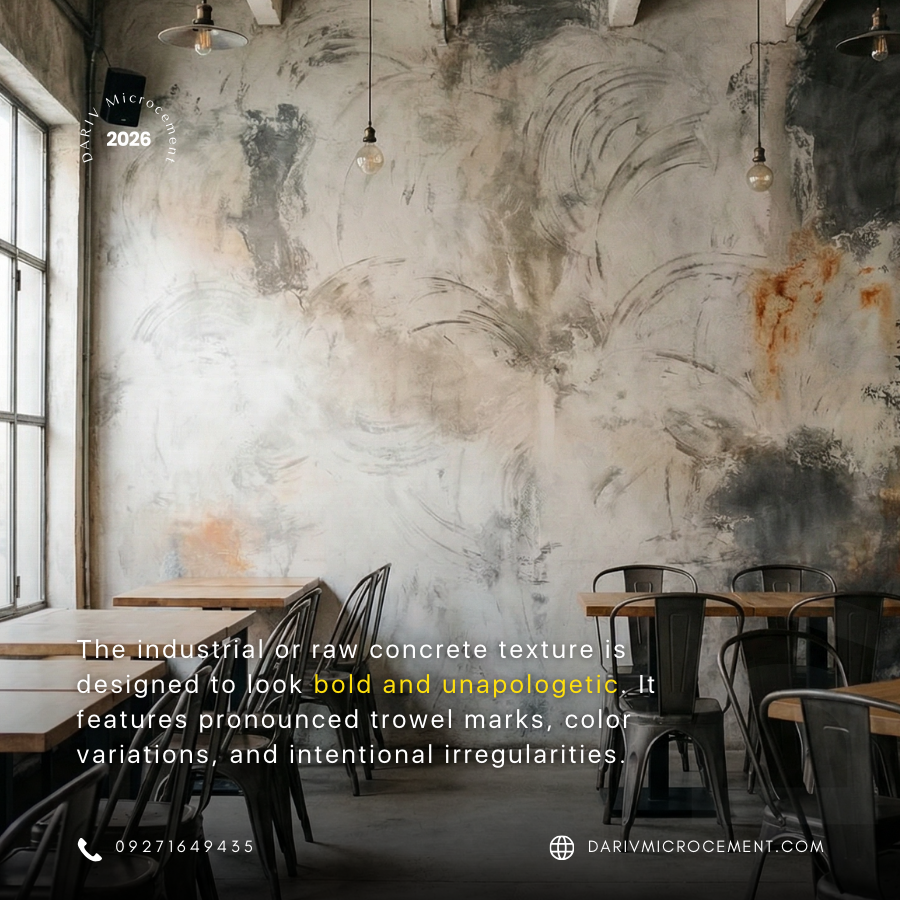
The industrial or raw concrete texture is designed to look bold and unapologetic. It features pronounced trowel marks, color variations, and intentional irregularities that mimic poured concrete slabs.
This finish is popular in restaurants, studios, warehouses, and creative spaces where character and identity matter more than perfection. It delivers an urban, edgy aesthetic that feels authentic and expressive.
Despite its rough appearance, industrial microcement still benefits from modern sealers that protect the surface and make maintenance manageable. It offers the visual drama of raw concrete without the thickness, weight, or structural limitations.
Best for: Restaurants, studios, creative commercial spaces
Key benefit: Strong personality and urban appeal
6. Anti-Slip Textured Finish
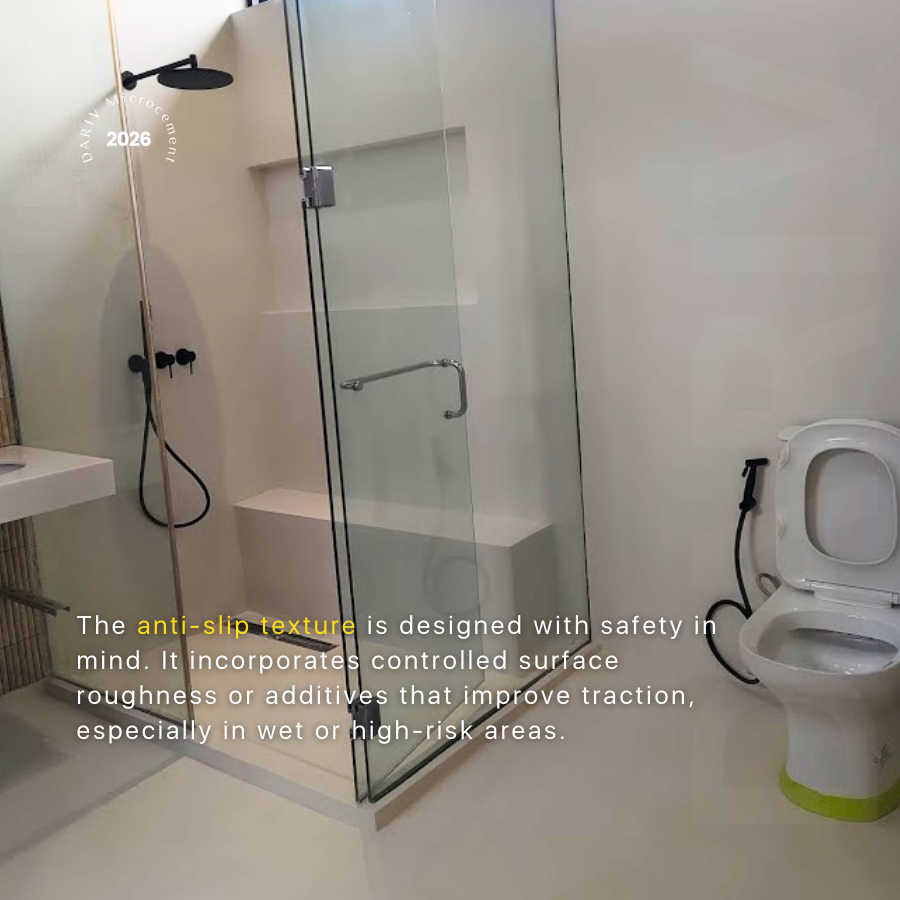
Anti-slip microcement textures are designed with safety in mind. It incorporates controlled surface roughness or additives that improve traction, especially in wet or high-risk areas.
This texture is commonly applied in bathrooms, ramps, pool surrounds, kitchens, and healthcare facilities. While functional, it does not compromise aesthetics. With proper application, it retains a clean and modern look while meeting safety requirements.
Anti-slip microcement is especially valuable in clinics, schools, and public spaces where safety regulations and user comfort are critical. It proves that performance and design can coexist.
Best for: Wet areas, clinics, ramps, public spaces
Key benefit: Enhanced safety without sacrificing style
Comparison of microcement with other floor finishes
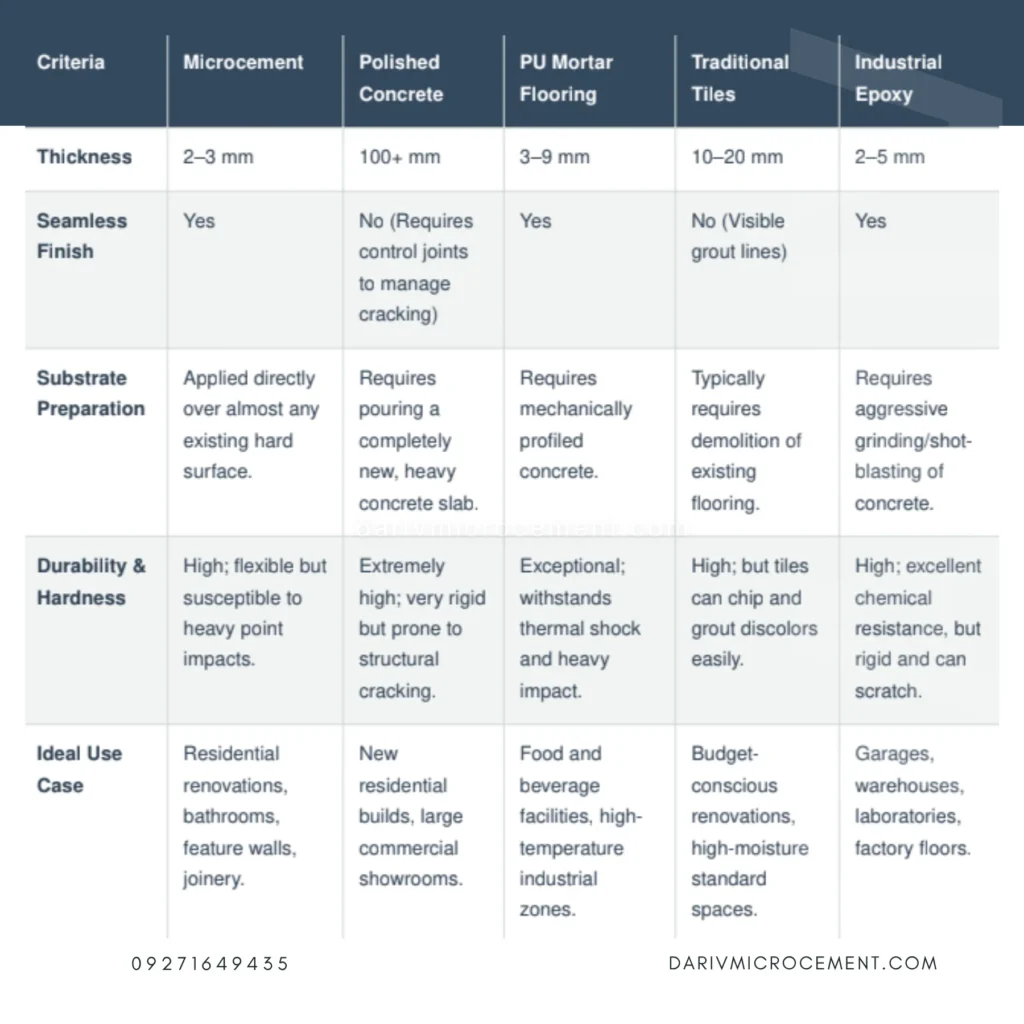
While microcement is best for home and office applications, it is not recommended for every surface. In case your property is in the industrial, medical, or food preparation industry, you should consider other flooring options. A medical laboratory, for example, needs a floor that’s highly durable to potential chemical and organic spills. If this is the kind of floor you need, go for polyurethane (PU) mortar flooring.
Check this chart to know how microcement compared with other flooring options in the Philippines.
Looking for a microcement contractor in the Philippines?
Which microcement texture do you want for your space?
Microcement is not just a material—it is a design system that adapts to your space through texture. Whether you’re building a health and wellness clinic, renovating a home, or designing a commercial space, understanding microcement textures allows you to make informed, intentional choices.
By selecting the right texture, you enhance not only the look of a space, but also its safety, comfort, and long-term performance.
If you have a preferred texture already and are looking for a microcement contractor for your project in the Philippines, send us a message through our social media platforms below.