Is microcement good for kitchen countertops?
TL;DR:
Microcement is an excellent choice for kitchen countertops due to its exceptional durability, waterproof properties, heat resistance, and ease of maintenance. It offers a seamless, customizable finish with a wide range of colors and textures, fitting any kitchen design including curved and integrated surfaces. Proper sealing ensures resistance to mold and stains. Microcement is lightweight yet tough, sustaining everyday kitchen wear and tear. While professional installation is recommended, microcement countertops provide a modern, stylish, and hygienic surface that requires minimal upkeep and can last many years. It is a versatile and practical alternative to traditional countertop materials like stone or laminate.
Microcement: A top choice for countertops
If you’re searching for a material in the Philippines that combines modern aesthetics, outstanding durability, and versatility, DARIV’s microcement for kitchen countertops should be on your radar. This innovative finish is transforming kitchens in the Philippines, offering a seamless, stylish alternative to traditional surfaces.
Let’s explore why microcement for kitchen countertops has become a top choice in the Philippines. We’ll focusing on microcement’s durability, waterproof properties, heat resistance, range of colors, flexibility, and ease of maintenance.
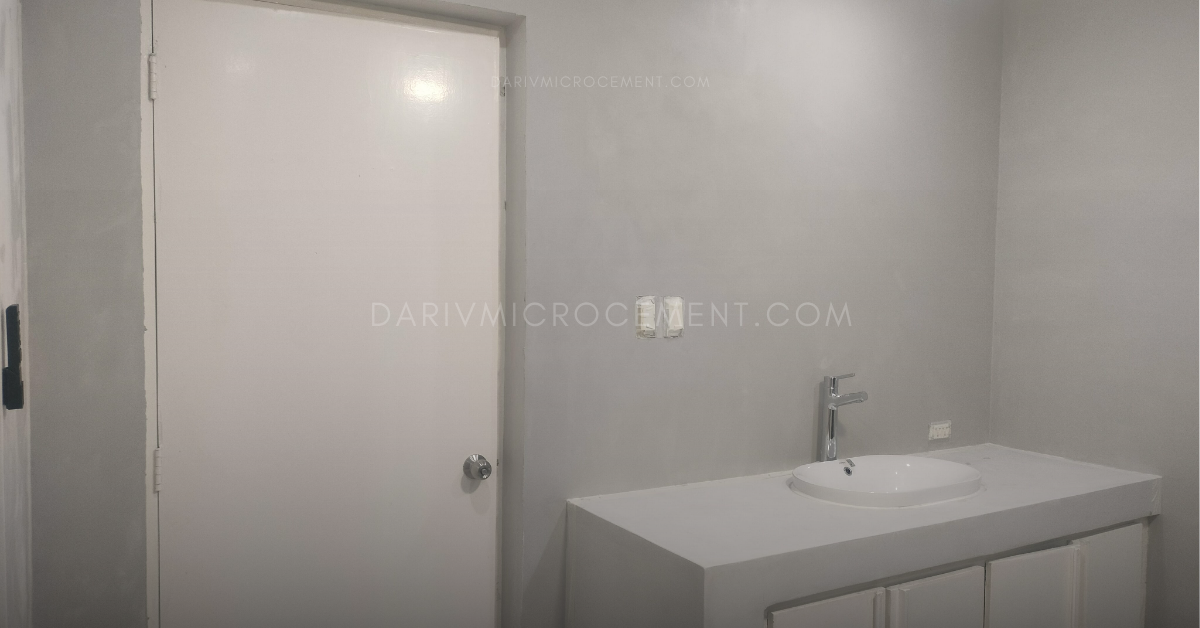
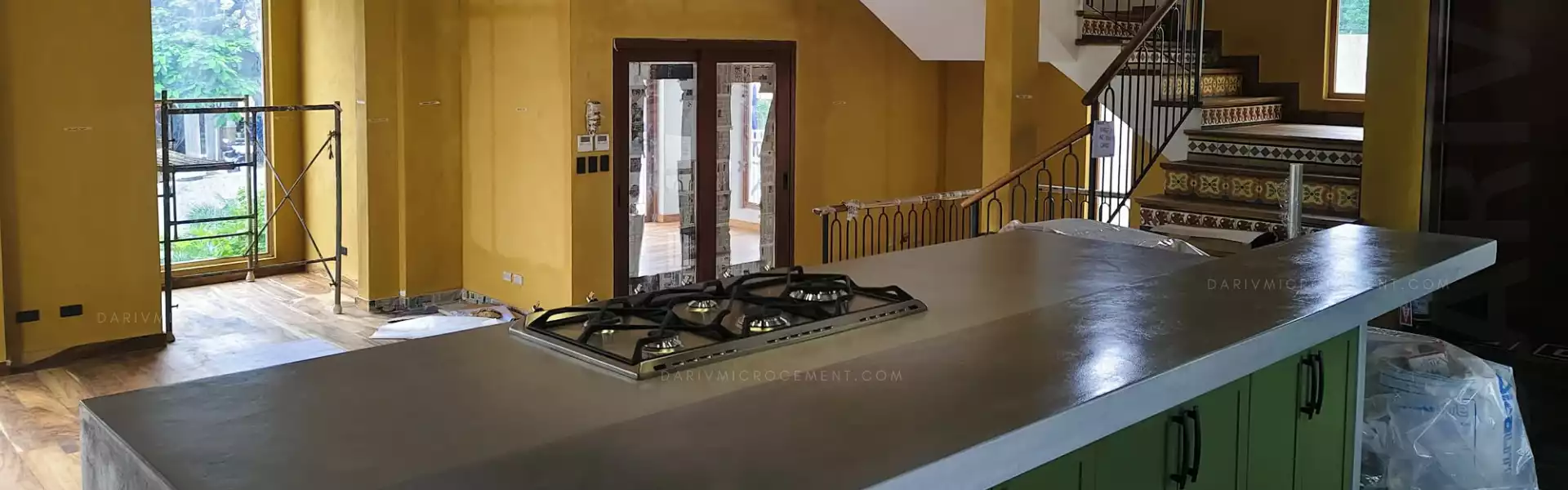
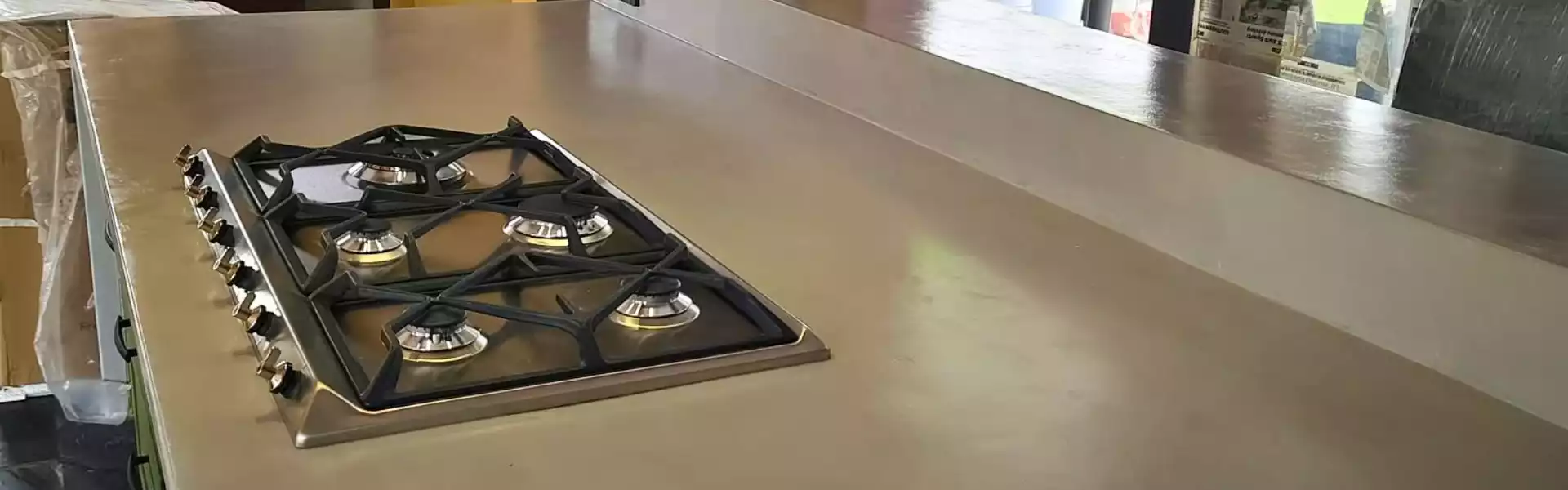
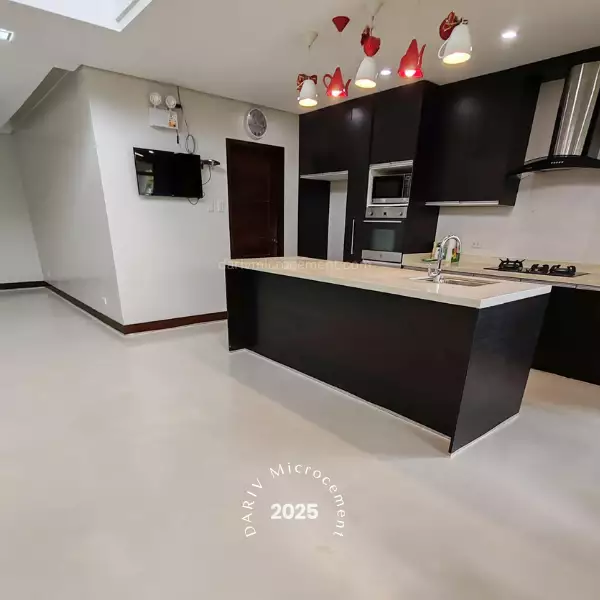
To see how DARIV can transform your kitchen from ordinary to superb, check out this photo gallery of a recent microcement project we completed in the Philippines.
Microcement, also known as micro-concrete, is a cement-based coating composed of cement, water-based resins, additives, and mineral pigments. Unlike other materials in the Philippines used for countertops, microcement stands out because of several features.
Microcement’s Durability: Built to Last
One of microcement’s most lauded features is its exceptional durability. The material forms a tough, compacted shell when installed properly, able to withstand the everyday wear and tear of busy kitchens. It resists impacts, scratches, and abrasions better than many other decorative materials.
Microcement’s strength is comparable to concrete, yet its thinness ensures that it adds minimal weight to kitchen cabinetry and islands.
The application process of microcement for kitchen countertops typically involves several layers, which include a fiber mesh, base material, main material, sealer, and PU coat. This system creates a unified structure that’s less prone to cracking or chipping, compared to traditional countertop materials like tiles or stone slabs.
With proper care, microcement countertops in the Philippines can maintain their beautiful finish for many years.
Microcement has Waterproof Properties: Perfect for the Kitchen
Kitchens are water-prone environments, especially in Philippine homes and restaurants. Thus, any countertop material must stand up to splashes, spills, and frequent cleaning. Microcement is inherently waterproof—especially after proper sealing.
Advanced sealers penetrate the microcement, creating an impenetrable barrier that prevents water absorption and staining. That’s why microcement is also used for outdoors and swimming pools.
This waterproof quality also means microcement for kitchen countertops resists the growth of mold and mildew, especially in high humid environments in the Philippines, making your countertop hygienic for prepping food.
Even with regular washing and exposure to moisture, a well-sealed microcement surface will not peel, bubble, or degrade, keeping your kitchen countertop both safe and beautiful.
MIcrocement Heat Resistance: Handling Hot Pots with Ease
Heat resistance is crucial in a kitchen. DARIV’s microcement technology can provide you with excellent tolerance for high temperatures, making it ideal for countertops near cooktops, ovens, or where you might occasionally set down a hot pan. The cementitious base disperses heat quickly, minimizing the risk of thermal damage.
However, like with most quality surfaces (including stone and engineered materials), it’s still advisable for you to use trivets or heat pads under extremely hot items. This practice will help preserve both the sealer’s integrity and the appearance of your microcement finish over time.
Microcement Stylish Colors: Endless Customization
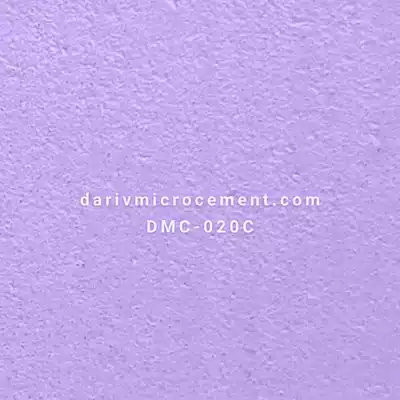
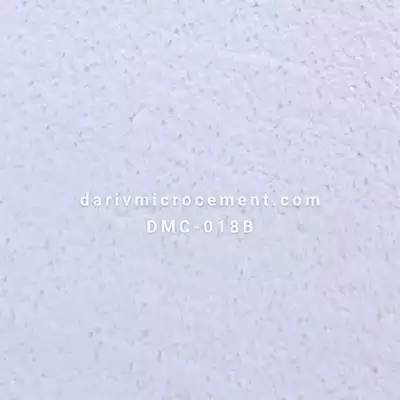
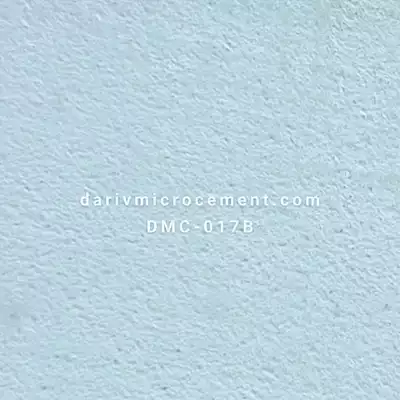
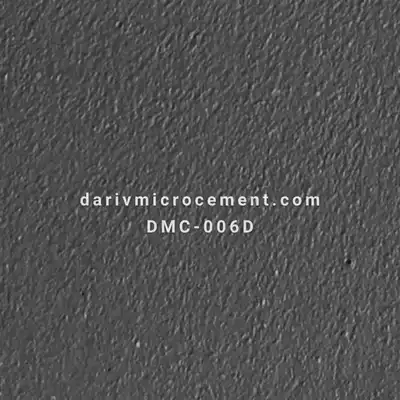
Gone are the days when concrete finishes were just dull grey. Microcement comes in a huge variety of colors and effects, thanks to the addition of mineral pigments and the possibility of custom blends. Here is a list of swatches we use for our clients in the Philippines.
DARIV can customize the color and texture of the microcement material, which means you can match your countertop to your cabinets, splash backs, or flooring for a truly bespoke kitchen aesthetic.
- Want a Scandinavian-inspired white countertop? Our microcement team can do it.
- Dreaming of a dramatic charcoal or deep green kitchen island? It’s possible with the use of microcement technology.
- Textured, mottled, or smooth surfaces? DARIV’s microcement artisans can create almost any effect—matte, satin, or glossy.
Every installation we do is unique, resulting in a handcrafted look that adds character, uniqueness, and value to your home.
Microcement Flexibility: Fits Any Kitchen Design
Unlike rigid materials like stone slabs or tiles, microcement’s high flexibility means it can be applied to practically any shape or size of countertop. DARIV can apply microcement on:
- Curved kitchen islands
- Integrated sinks and drainers
- Waterfall edges
- Seamless backsplashes
Microcement can also coat surfaces without breaks or visible joints, producing a continuous flow that enhances the sense of space in the kitchen.
Based on our experience at DARIV, microcement can bond firmly to substrates like MDF, plaster, tile, or even metal is strong and lasting, making it a great solution for renovations and new builds alike.
Microcement's Ease of Maintenance: Simple Upkeep
Another reason microcement is an excellent choice for your kitchen countertop is its ease of maintenance. With the right system, microcement has no grout lines to collect dirt, no seams for liquid penetration, making cleaning straightforward and easier.
Microcement vs. Other Countertop Materials
| FEATURE | Microcement | Natural Stone | Quartz | Laminate |
|---|---|---|---|---|
|
DURABILITY |
Excellent |
High |
High |
Moderate |
|
COLOR OPTIONS |
||||
|
SEAMLESS FINISH |
Yes |
No |
No |
Yes |
|
MAINTENANCE |
Easy |
Moderate |
Easy |
Moderate |
|
FLEXIBILITY |
High |
Low |
Low |
Moderate |
|
PRICE |
Moderate |
High |
High |
Low |
Is Microcement Right for Your Kitchen Countertop?
Based on the information above, is microcement the best fit for your countertop and budget? Check out this article to know the average cost of microcement in the Philippines.
Pros of getting microcement:
- Seamless, contemporary look
- Highly durable and waterproof
- Customizable colors and textures
- Suitable for new and existing kitchens
- Easy care and hygiene
Potential Cons of microcement:
- Professional installation is strongly recommended
- Sensitive to strong chemicals if not well-sealed
- May need periodic resealing to maintain peak performance
Microcement brings an exciting blend of form and function to your kitchen countertop. Its robustness, waterproofing, heat resistance, and limitless style options make it a unique material for homeowners and designers in the Philippines who aim for stunning results with practical benefits.
With proper installation and care, microcement for kitchen countertops offer years of dependable service and contemporary flair, proving that beauty and durability can indeed go hand in hand.
Need microcement to make your kitchen countertop both durable and beautiful? Send us a message.